
Table of Contents
Understanding the Basics of Lab Grown Diamond vs Real Diamond
When comparing lab grown diamond vs real diamond, it’s essential to first understand what each truly is. Lab made diamonds are created in controlled laboratory environments using advanced technology that replicates the natural diamond growing process. In contrast, real diamonds, often referred to as natural or mined diamonds, are formed deep within the Earth’s crust over billions of years under extreme heat and pressure. Despite these different origins, both lab grown and real diamonds are virtually identical in terms of physical appearance and chemical structure.
How Lab Made Diamonds Are Created
To fully grasp the debate between lab grown diamond vs real diamond, one must explore the creation process of lab made diamonds. These diamonds are produced using two primary methods: High Pressure-High Temperature (HPHT) and Chemical Vapor Deposition (CVD). Each method mimics the conditions under which natural diamonds are formed, resulting in diamonds that are indistinguishable from real ones without specialized equipment. This technological marvel allows for a more controlled and ethical production process compared to mining.
Appearance and Quality: Lab Grown Diamond vs Real Diamond
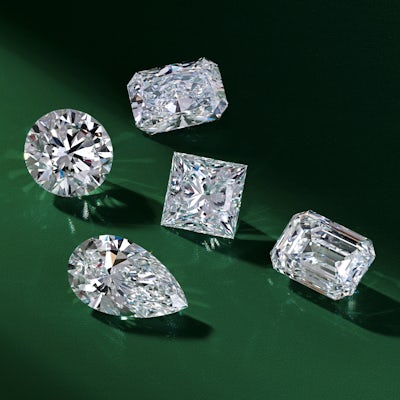
From a visual perspective, lab grown diamond vs real diamond comparisons reveal no noticeable difference to the naked eye. Both types of diamonds exhibit the same sparkle, clarity, and brilliance. Lab made diamonds are graded using the same criteria as natural diamonds—cut, color, clarity, and carat weight—ensuring that consumers get a product of high quality, regardless of its origin. Advanced gemologists might be able to identify subtle internal differences, but for most buyers, the aesthetic appeal is identical.
Cost Comparison: Lab Grown Diamond vs Real Diamond
One of the most significant factors in the lab grown diamond vs real diamond debate is cost. On average, lab made diamonds are 30% to 40% less expensive than their natural counterparts. This price difference is primarily due to the shorter production time and lower overhead costs of lab-grown diamonds. For budget-conscious consumers, lab made options offer the ability to purchase a larger or higher-quality stone without exceeding financial limits.
Ethical and Environmental Impact
Another crucial angle in the lab grown diamond vs real diamond conversation is the ethical aspect. Mining for natural diamonds has long been associated with environmental degradation and human rights issues. Lab made diamonds provide a cleaner, more sustainable alternative, as they do not involve the destruction of ecosystems or exploit labor in conflict zones. Consumers who prioritize sustainability and ethical sourcing often lean toward lab grown options for peace of mind.
Durability and Longevity: Are Lab Made Diamonds as Strong?
Durability is a key concern in the lab grown diamond vs real diamond comparison. Diamonds rank 10 on the Mohs scale of hardness, making them the hardest known natural material. Lab made diamonds share this exact characteristic, meaning they are just as durable and resistant to scratches as real diamonds. This makes lab grown diamonds ideal for daily wear, including engagement rings and other high-use jewelry pieces.
Resale Value and Investment Considerations
When evaluating lab grown diamond vs real diamond for investment or resale purposes, it’s important to note the market perception. While lab made diamonds are growing in popularity, real diamonds traditionally hold better resale value due to their rarity and long-established market demand. However, as consumer awareness increases and technology evolves, the resale landscape for lab diamonds may change significantly in the coming years.
Popularity and Market Trends
The jewelry market has seen a shift in preferences, fueling the ongoing discussion around lab grown diamond vs real diamond. Millennials and Gen Z consumers are increasingly drawn to lab made diamonds due to their ethical sourcing, affordability, and environmental friendliness. Jewelers are also expanding their lab diamond collections to cater to this demand, further pushing lab made diamonds into the mainstream market.
Certification and Authenticity
Whether choosing a lab grown diamond vs real diamond, certification is essential. Leading gemological institutes, such as the Gemological Institute of America (GIA), now certify lab made diamonds with the same rigor as natural diamonds. These certificates confirm the diamond’s quality and origin, offering buyers confidence in their purchase and clarity on what they are investing in.
Making the Right Choice for You
Ultimately, the decision between lab grown diamond vs real diamond comes down to personal preference, values, and budget. Lab made diamonds provide a modern alternative that is equally beautiful, more affordable, and more environmentally conscious. However, some buyers may still value the rarity and tradition of a naturally formed diamond. Whichever you choose, understanding the differences ensures you make an informed decision that aligns with your priorities.