
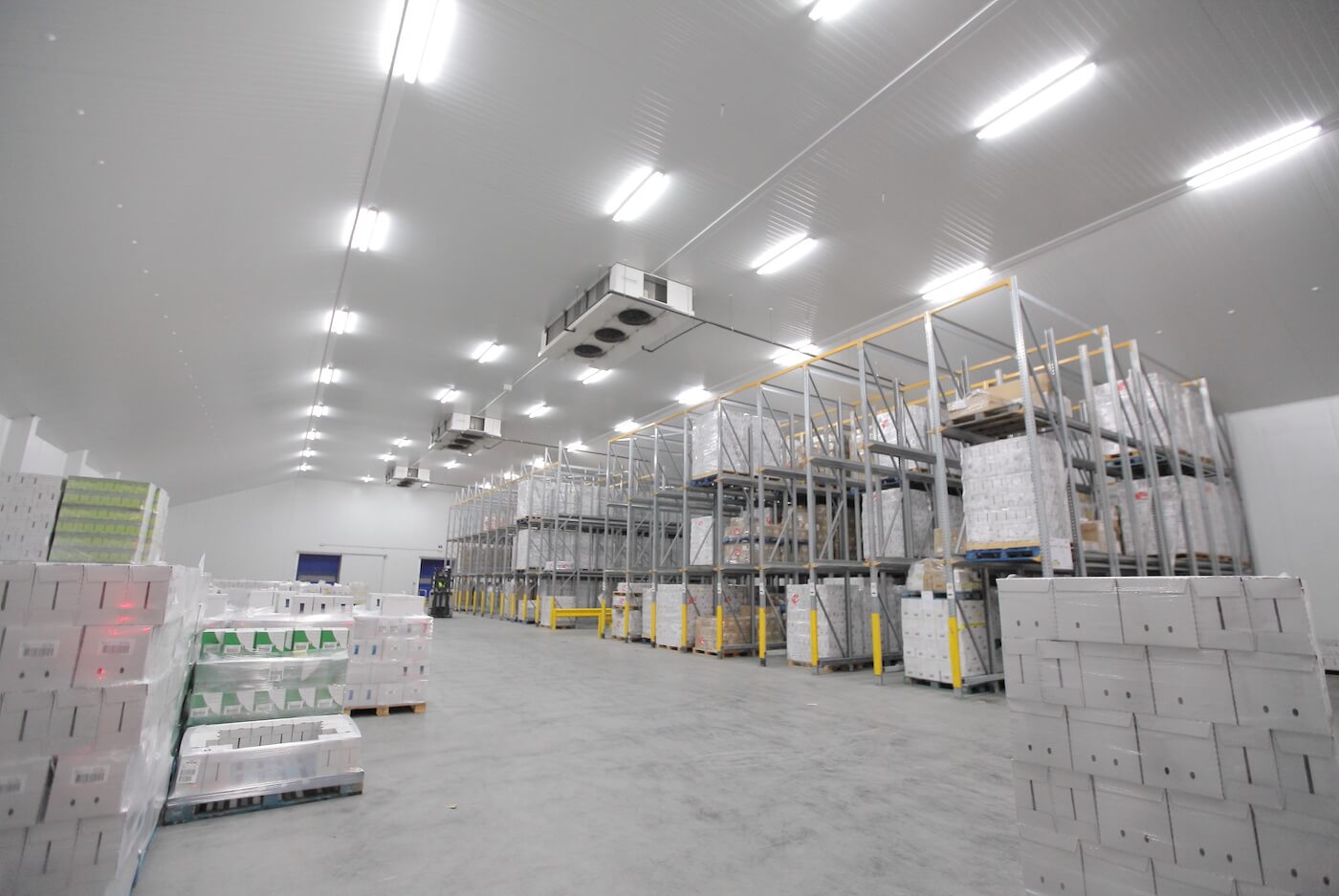
You’ve probably never lost sleep over where your chicken thighs were last night. But maybe you should. Somewhere between the slaughterhouse and your stovetop, your dinner sat in a massive, industrial freezer, waiting patiently in the dark. Held at a temperature so cold it would make your eyelashes snap off.
And if that freezer had glitched? If the refrigeration faltered for even a few hours? Yeah, you’d be on speed dial with the ER—or worse, wouldn’t even know what hit you.
That’s the invisible high-stakes game of a cold storage warehouse. They’re the uncredited heroes (or villains) in every grocery aisle, quietly deciding whether what you eat is safe, spoiled, or downright dangerous.
So. How do they pull it off?
Table of Contents
Temperature Isn’t Just a Number—It’s a Deadline
Every product rolling into a cold storage warehouse comes with its own temperature prescription. Milk? 34°F. Ice cream? Even lower. Seafood? Oh, you better believe there’s no wiggle room there.
The FDA mandates strict thresholds: refrigerated foods must stay at or below 40°F (4°C), or the microbial party kicks off (hello, Listeria!). One slip, one delayed notification, and suddenly an entire shipment turns into a liability.
That’s why modern cold storage facilities run on real-time temperature monitoring, automatic alerts, and backup systems on backup systems. Imagine rows of sensors feeding data into dashboards, 24/7. A single degree spike triggers alarms, texts, maybe even a middle-of-the-night call to the warehouse manager (who, let’s be honest, probably sleeps with one eye open).
Why so dramatic? Because even a short exposure to unsafe temps can tank a product’s shelf life—or worse, public health. According to the Food and Agriculture Organization, up to 20% of global food losses happen because cold chains fail. Twenty percent. Gone. Preventable.
And you thought your fridge light staying on was impressive.
It’s Not Just Cold—It’s Clean (Relentlessly Clean)
If you’re picturing a giant walk-in cooler with flickering fluorescent lights and dusty pallets? Think again. Cold storage warehouses follow sanitation protocols that rival hospital operating rooms.
We’re talking antimicrobial coatings. Pressure-washed floors. Air circulation designed to minimize condensation (because water = bacteria’s BFF). Workers wear protective gear. Surfaces get swabbed for Salmonella, Listeria, E. coli on the regular.
Why the fuss? Because bacteria love moisture and cozy crevices. Cold may slow them down, but it doesn’t kill them. A stray contaminant hiding in a drain or behind a gasket? It’s a Trojan horse waiting to hitch a ride.
Facilities use HACCP protocols—Hazard Analysis Critical Control Points. Fancy acronym, but it boils down to this: find the danger spots, control them, monitor them like a hawk.
And yes, the humans inside these facilities are a variable too. Training, glove policies, handwashing rules—it’s all part of the formula. A protocol is only as strong as the person following it. (Which is why you don’t want the new guy skipping his orientation.)
Traceability: Because “Where Did This Come From?” Should Have an Answer
Here’s a scenario: a batch of lettuce gets recalled for possible contamination. Now imagine trying to figure out which pallets were affected… without digital records. Good luck.
That’s why traceability is non-negotiable in cold storage. Warehouses integrate barcode scanning, RFID tags, warehouse management software—all to keep a digital paper trail. Every pallet scanned in, every movement logged, every outbound shipment tied to a record.
If something goes wrong upstream? They can trace it, isolate it, and stop it before it hits supermarket shelves. (Or worse, your fridge.)
Under the FDA’s Food Safety Modernization Act, these systems aren’t just nice-to-haves; they’re legally required. But honestly? They’re also a trust exercise between the food industry and the public. Transparency isn’t just a buzzword when you’re talking about pathogens.
Not Just a Warehouse—a Critical Link in the Food Chain
Cold storage warehouses are more than just middlemen. They’re the critical choke point between raw production and retail shelves. Their role? Protect the product, preserve the promise, prevent the problem.
Because food safety doesn’t happen at checkout. It happens in the freezing, humming heart of a building you’ll probably never see.
And honestly? That’s kind of the point.