
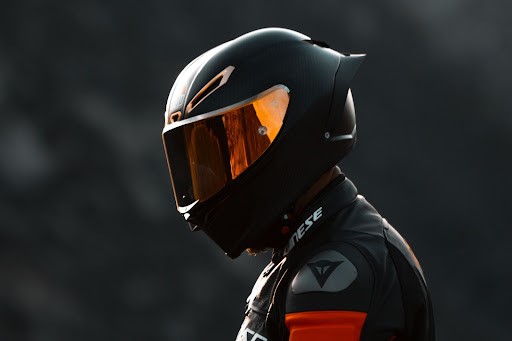
When it comes to two-wheeled adventures be it on rugged dirt tracks or high-speed highways the importance of a reliable helmet cannot be overstated. Whether you’re tearing through off-road trails or cruising on the highway, your safety begins with what’s on your head. This is where motocross helmets and full face helmets come into play. Both offer robust protection but cater to slightly different riding experiences.
In this sponsored post, we explore what makes these helmets essential, how they differ, and why every serious rider should invest in the right one.
Table of Contents
What is a Motocross Helmet?
A motocross helmet is specifically designed for off-road and dirt biking activities. With its distinctive design that includes an elongated chin bar, enhanced ventilation, and a sun visor, it is engineered to meet the extreme demands of motocross, enduro, and trail riding.
Key Features of a Motocross Helmet:
- Extended Chin Protection:Offers added coverage to protect against debris and impacts.
- Ventilation System:Designed with multiple vents to keep riders cool during intense physical activity.
- Lightweight Build:Usually made from composite materials for better control and comfort.
- Compatibility with Goggles:Instead of a traditional visor, motocross helmets are designed to be used with separate off-road goggles for better dust and dirt protection.
These helmets are built not just for safety, but for performance in demanding conditions.
What is a Full Face Helmet?
A full face helmet is a versatile option that provides complete head coverage, including the base of the skull and the chin. Popular among city commuters, sportbike riders, and even touring enthusiasts, this helmet offers all-around protection, making it a smart choice for various types of rides.
Key Features of a Full Face Helmet:
- All-Round Protection:Covers the head, face, and jaw for superior safety in case of impact.
- Built-in Visor:Comes with a clear or tinted visor that protects against wind, dust, and UV rays.
- Noise and Wind Reduction:Designed aerodynamically to reduce noise and buffeting at high speeds.
- Weather Shielding:Great for all-weather riding, shielding the face from rain, wind, and cold.
If your rides primarily happen on paved roads, the full face helmet is often the ideal pick.
Why Helmet Quality Should Never Be Compromised
No matter which type of helmet you choose, the most critical factor is safety. Both motocross and full face helmets should meet or exceed safety standards like DOT (Department of Transportation), ECE (Economic Commission for Europe), or ISI (Indian Standards Institute).
Here’s why investing in a high-quality helmet is crucial:
- Impact Absorption:Helmets with a multi-density EPS liner can absorb shock efficiently.
- Retention System:A sturdy D-ring or ratchet strap ensures the helmet stays in place during impact.
- Durability:Premium shell materials like fiberglass, carbon fiber, or polycarbonate offer better resistance to abrasions and cracks.
- Comfort & Fit:A good fit ensures the helmet doesn’t move or become a distraction while riding.
Tips for Choosing the Right Helmet
- Measure Your Head:Use a soft measuring tape around your forehead to determine the correct size.
- Try Before You Buy:The helmet should fit snugly without causing pressure points.
- Check the Certification:Always look for certified safety stickers.
- Evaluate Your Riding Style:Choose a motocross helmet for dirt adventures and a full face helmet for street riding.
Final Thoughts
The road or the trail can be unpredictable, but your safety gear shouldn’t be. Investing in a good motocross helmet or full face helmet is more than a safety choice; it’s a lifestyle statement for responsible riders. With the right helmet, every ride becomes not just safer, but more enjoyable.
Gear up the smart way and make every ride a testament to safety and style.