
Table of Contents
Key Takeaways
- Glass provides endless design possibilities for residential and commercial properties, seamlessly combining style and function.
- Recent advances in energy-efficient and safety glass technologies reduce operating costs and risks while significantly improving comfort and quality of life.
- Decorative glass merges artistry with utility, offering unique design statements without compromising performance.
- Proper installation, regular inspection, and routine care are essential for maximizing the lifespan and benefits of glass installations.
- Modern Glass supports sustainable and healthier indoor environments through its light-enhancing and energy-saving properties.
Flexible Designs for Every Space
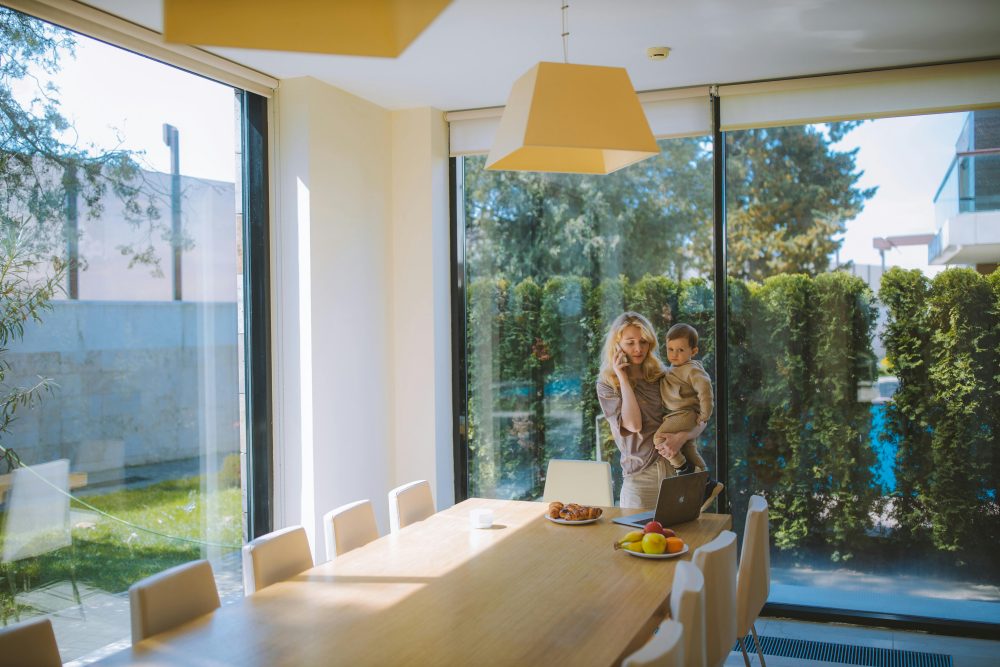
Glass technology has evolved so rapidly over recent decades that it has become a pivotal material for transforming how spaces are experienced. Today, Glass is not just a passive surface—it actively impacts architecture and interior design. Large sliding or folding doors can remove the boundary between living rooms and patios, flooding homes with daylight while providing insulation when closed. For business environments, frameless glass walls redefine offices, supporting collaboration and visibility while isolating sound for privacy. Professionals at Kennedyglass.com highlight how these modern glass systems can be engineered to fit virtually any opening, providing tailored solutions for unique needs and unconventional floor plans.
It’s not only about density and size—detailed glass craftsmanship allows architects to create floating staircases, illuminated floor panels, and intricate glass railings. Residential showers become spa-like sanctuaries with frameless doors and customized enclosures, offering a fresh, clean look without sacrificing durability. As more people embrace open-concept living and flexible commercial layouts, the demand for innovative glass applications shows no signs of slowing.
Raising the Bar on Energy Performance
Energy efficiency is no longer an option—it’s necessary for homeowners and businesses looking to reduce expenses and promote sustainability. Modern glazing systems go beyond single-pane Glass, offering highly engineered solutions such as double- and triple-pane windows filled with inert gases like argon or krypton. These layers drastically reduce unwanted heat transfer, keeping interiors cooler in summer and warmer in winter. Meanwhile, Low-E (low-emissivity) coatings applied to glass surfaces reflect infrared energy, adding another level of control by minimizing UV penetration that can fade furnishings or overheat rooms.
These advancements are particularly impactful when renovating older structures or constructing new buildings under strict energy codes. The U.S. Department of Energy says that updated, efficient windows can save up to 12% on annual household energy bills—an investment that increases value and creates more comfortable living spaces. In addition, building owners adopting these systems often qualify for rebates, tax credits, or other incentives that offset upgrade costs. Glass has moved far beyond its simple, transparent origins and has become part of an intelligent thermal barrier, shaping the future of high-performance buildings worldwide.
Decorative Glass: Merging Art with Utility
Decorative Glass is where function and creativity intersect. While Glass is celebrated for its clarity and strength, various processing techniques unlock a world of artistic possibilities. Frosted and textured glass panels deliver privacy for bathrooms or conference rooms while subtly diffusing incoming light. Homeowners and designers can order intricate, custom-etched motifs or choose colored Glass to complement kitchen backsplashes, accent walls, or even unique furniture pieces. Specialty films or laminated designs can layer graphics, patterns, or logos onto large display windows or sliding doors, transforming these architectural features into visual centerpieces.
These applications help businesses build memorable first impressions with storefronts and create unifying brand experiences throughout their locations. Residential clients appreciate how stained or sandblasted Glass can convert a basic entryway into a work of art. Even functional surfaces such as tabletops or balustrades become cleaner, sleeker, and easier to maintain, while decorative finishes hide fingerprints and reduce glare. Glass is no longer just transparent—it’s expressive, protective, and ultra-modern.
Advancements in Safety and Security
Safety and reliability are foundational to any successful glass installation, particularly in public or high-traffic zones. Tempered Glass, which is treated through rapid heating and cooling, is engineered to break into small, rounded pieces that significantly minimize injury risk. This quality makes it ideal for doors, side windows, and any area where accidental impact is possible. Laminated Glass, meanwhile, sandwiches a resilient plastic interlayer between two sheets, holding them together if the glass breaks, preventing dangerous shards from scattering. These innovations are now embedded in most contemporary skylights, storefronts, shower doors, and automobile windows.
Security glazing is also on the rise, especially in settings where additional resilience is needed against break-ins, vandalism, or severe weather. Some products include embedded alarm wires, offer bullet resistance, or integrate with building automation systems to provide real-time notifications of attempted breaches. Schools, hospitals, and retail stores have increasingly relied on these glass solutions to make their spaces safer, more secure, and compliant with current building codes—all without sacrificing design flexibility or natural light.
Supporting Wellness and Sustainability
The health and sustainability benefits of Glass go much deeper than visual appeal. With more time spent indoors than ever before, access to sunlight and views of the outdoors have become critical aspects of building wellness. Glass-infused design strategies allow incoming daylight to reach deep into a building’s core, minimizing reliance on artificial lighting. For occupants, this means enhanced mood, better sleep, and increased workplace efficiency—advantages supported by designers specializing in biophilic and wellness-focused environments.
Sustainability is embedded in today’s high-performance glass products. Many manufacturers incorporate recycled glass content in their panes and frames, reducing the demand for raw materials and lessening environmental impact. Even more critical, high-tech glazing lowers overall energy consumption by improving insulation and reducing cooling and heating loads. At the end of its service life, much of this Glass can be recycled again, fitting into the cycle of circular construction and greener living.
Installation Tips for Success
- Careful measuring is critical—record every opening’s height, width, and depth to prevent costly misorders.
- Engage professional installers for oversized, heavy, or specialty glass systems to guarantee code compliance and proper support.
- Before making final selections, verify performance specifications for energy efficiency, acoustic properties, and required safety ratings.
- Request documentation on warranties covering Glass, hardware, and seals to protect you against unexpected issues.
Successful glass installation blends careful planning, skilled execution, and attention to detail. An error as small as a misaligned fastener or frame can undermine the integrity and function of the entire system, so it’s wise to consult with project experts well in advance, especially in commercial environments where regulatory compliance may be extra stringent. Never underestimate the value that seasoned installers add to the process.
Caring for Glass to Extend Its Life
Maintaining Glass is easier than many think, but a routine helps preserve clarity and performance for years. Use non-abrasive, ammonia-free cleaners and soft, lint-free cloths to avoid streaks or scratches. For Glass coated with Low-E or tinted finishes, check manufacturer guidelines before applying any cleaning agents—some harsh chemicals can degrade protective layers over time. If your installation involves sliding doors or operable windows, periodically vacuum tracks and lubricate moving parts to prevent sticking or unnecessary wear.
Remember to inspect window seals, caulking, and frame connections closely—these areas are most susceptible to leaks or drafts and may require touch-ups or replacement after years of use. Spotting and addressing minor issues early is key to preventing water intrusion, condensation buildup, or costly structural damage. Showcasing Glass at its best requires little more than consistency, gentle treatment, and a watchful eye.
Future Trends in Glass Technology
Glass is set to transform our experience of spaces even further with advances on the horizon. The rise of “smart glass”—panels that automatically tint in response to sunlight or can toggle from transparent to opaque at a button—gives building occupants unprecedented light and privacy control. New generations of glass products also integrate photovoltaic (solar) technologies, allowing windows or facades to generate electricity while providing views and daylighting.
Self-cleaning surfaces, which harness the power of natural sunlight to break down and wash away dirt, are gaining popularity for high-rise glazing and inaccessible exterior windows. Innovations in acoustic Glass are helping to tame urban noise, making city living more peaceful. As glass technology progresses, staying informed about these trends means embracing new possibilities, turning everyday environments into healthier, more comfortable, and more inspiring places to live and work.