
Table of Contents
The Role of Material Selection in Precision Engineering
Precision engineering is a discipline where even the smallest decisions can have enormous implications. Whether developing components for aircraft engines, surgical instruments, or high-speed robotics, the choice of material often determines whether a part consistently performs or faces premature failure. One frequent material strategy involves seeking out stainless steel grades that perfectly balance corrosion resistance, mechanical properties, and manufacturability for a specific application.
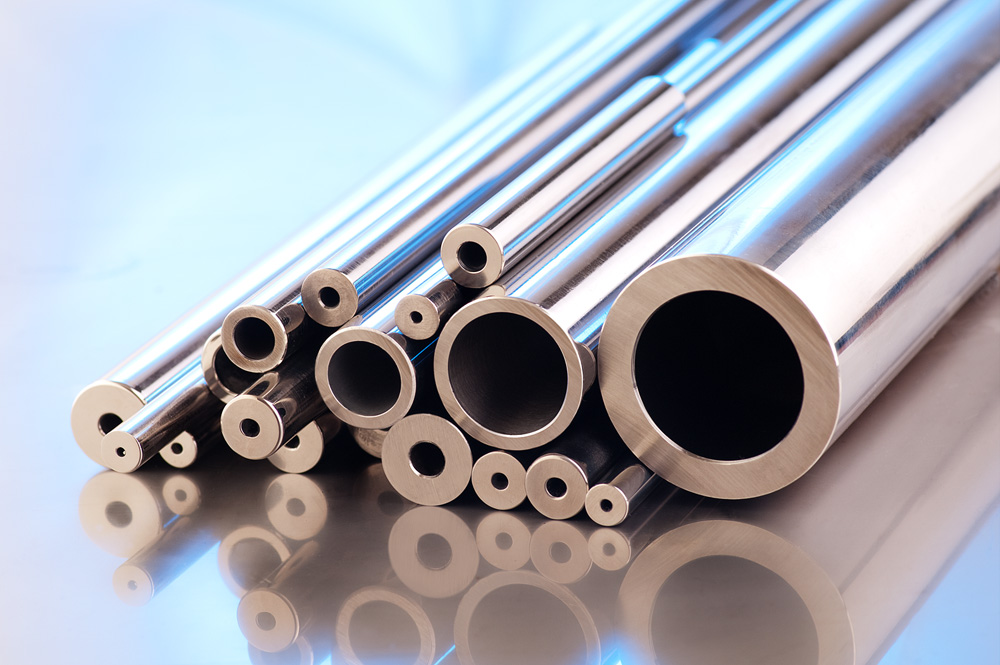
Many engineers choose t316L stainless steel, particularly in formats that have been turned, ground, and polished. This grade is recognized for its elevated resistance to a broad spectrum of corrosive influences, including those in marine and intense chemical processing environments. The additional finishing processes contribute to smoother, defect-free surfaces, critical for applications requiring exact fits or contact with sensitive materials. Higher grades can lead to fewer breakdowns, more consistent operations, and lower costs for repairs or replacements throughout the product lifecycle.
How Stainless Steel Compositions Differ
While stainless steel appears uniform, its versatility comes from various grades designed for specific performance needs. These grades differ mainly in alloying elements like chromium, nickel, and molybdenum, with small composition changes significantly impacting properties like ductility, wear, and chemical resistance. For example, 316L, with higher chromium and molybdenum, resists chloride corrosion, which is ideal for harsh environments like pharmaceuticals and marine fittings.
This customization enables engineers to adjust performance for different settings. Less resistant grades are more cost-effective and suitable for dry, non-reactive environments. For severe corrosive conditions, such as sewage treatment or chemical manufacturing, using grades like 316L reduces maintenance and downtime by providing better durability. Composition also affects weldability, formability, and manufacturing processes.
Corrosion Resistance: A Deciding Factor
Corrosion is not just an aesthetic issue—it poses genuine risks to system integrity, safety, and operational budgets. Globally, the cost of corrosion hovers in the trillions, according to recent assessments, making the right choice of stainless steel grade a front-line defense for any enterprise. Precision engineering, where tolerances are tight and reliability is paramount, cannot afford unexpected corrosion-related failures. That’s why grades like 316L, especially in its low-carbon formulation, are chosen for welding and assemblies that will face exposure to harsh agents or repeated sterilization cycles.
The benefits of choosing corrosion-resistant steel go beyond direct cost avoidance. In fields such as food processing and medicine, minute surface damage can become a source of contamination, impacting quality and safety.
Machinability and Surface Finish
Precision manufacturing depends on efficient material machining and fine surface finishes. The machinability of stainless steel grades affects production speed and component precision, providing smooth surfaces for seals, low-friction interfaces, and contamination-free systems. Improved machinability extends tool life and reduces costs, with steels designed for smoother machining cutting tool wear by 20% or more, leading to less downtime and higher yields. Consistent, flawless finishes on surgical and high-purity equipment ensure quality and dependability.
The Link Between Standards and Industry Demands
Advances in science and evolving international standards shape the stainless steel landscape. Organizations like ASTM and ISO establish strict testing and certification protocols, ensuring materials meet performance and safety benchmarks. Staying informed about updates helps engineers select grades that meet technical and industry expectations—keeping up with standards benefits compliance and innovation, with new alloys and processes introduced into specifications.