
Key Takeaways:
- Routine risk assessments are essential for safeguarding assets, people, and data in fast-evolving environments.
- Regular evaluations improve compliance, reduce costs associated with security breaches, and foster organizational resilience.
- Integrating risk assessments into daily business strategy drives a culture of proactive problem solving.
- Advancements in technology and regulations make ongoing risk evaluation more important than ever.
Table of Contents
Why Risk Assessments Matter
Regular risk assessments form the backbone of any effective safety, security, and compliance strategy. Industries ranging from healthcare and banking to manufacturing and logistics rely on these assessments to spot vulnerabilities before they become significant threats. An effective process helps companies proactively address gaps in controls and policies, ultimately building credibility with clients and regulators. For organizations aiming to streamline compliance and identify unseen risks, resources like Radiangen.com/ provide valuable frameworks and guidance tailored to specific needs. These tools often include customizable checklists, audit templates, and data-driven insights that simplify complex regulatory requirements. Leveraging such resources empowers teams to stay ahead of evolving standards and foster a culture of continuous improvement.
The Core Elements of a Risk Assessment
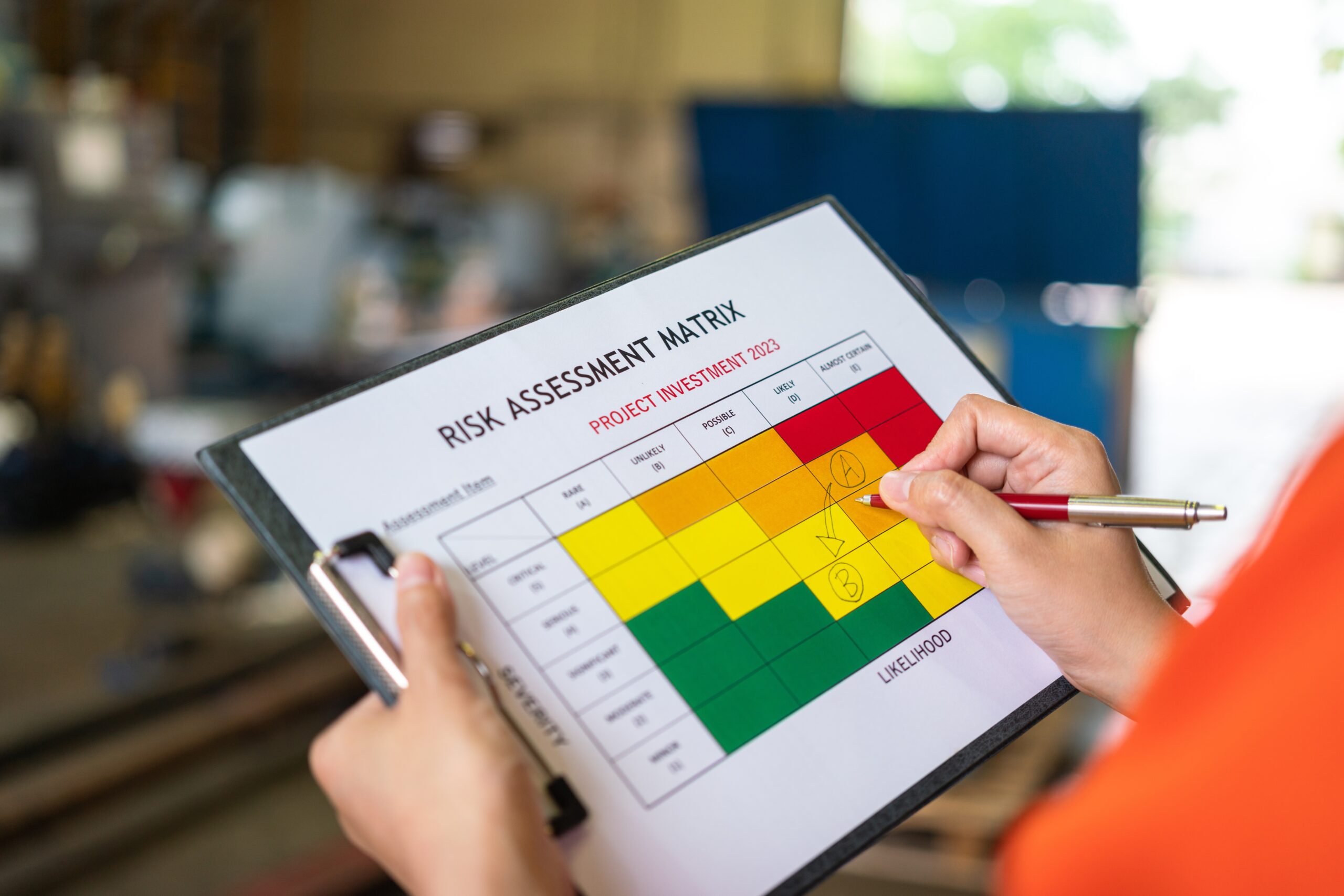
Every strong risk assessment starts by identifying assets—such as sensitive data, intellectual property, or physical infrastructure—and then mapping potential threats. This process involves evaluating the likelihood of risks materializing and the potential impact on the business. Teams then prioritize remediation steps, balancing cost with possible consequences. Advanced risk assessments also consider changing regulatory demands, new technologies, and evolving organizational goals, ensuring that responses always match the current threat landscape.
Benefits That Extend Across Industries
The value of consistent risk assessments transcends industry lines. For example, strict data privacy regulations call for continual vigilance in healthcare. Manufacturing companies rely on risk assessments to avoid costly downtime and ensure employee safety. In the tech sector, rapid innovation and a shifting cyber threat environment demand frequent reviews to keep data and operations secure. Performing regular assessments saves money in the long run, too, as the cost of addressing risks before an incident is almost always less than managing the aftermath of a breach or compliance failure. This is supported by findings in the 2024 Cybersecurity Report from CISA, which highlights that organizations with frequent assessments experience significantly fewer disruptions and regulatory penalties.
Building a Sustainable Risk Management Framework
To be effective, risk assessments should be part of a larger, sustainable risk management framework. Leadership involvement ensures consistent investment, while written protocols create clear expectations. Automation and digital assessment tools can help manage the complexity of modern risk landscapes and support ongoing monitoring. Employees at all levels should contribute insights, as they’re often closest to daily risks. Creating a feedback loop—where findings are regularly reviewed and controls are updated—ensures that organizations remain resilient amid change.
Common Challenges and How to Overcome Them
The main obstacle to regular risk assessments is often prioritization—organizations either believe they’re fully covered or struggle to dedicate time and resources. Some businesses might underestimate the shifting nature of their threats, especially in sectors where new tools or procedures are adopted rapidly. Making assessments more approachable, integrating them into routine processes, and keeping staff engaged through training and transparent communication can help overcome these barriers. According to insights from SecurityIntelligence.com, fostering a compliance-minded culture makes it easier to maintain assessment programs even as companies grow or transform.
Risk Assessment Trends to Watch
Recent developments in digital risk management are driving change across sectors. Automation and artificial intelligence tools are being leveraged to scan for vulnerabilities in real time, enabling organizations to act quickly. Cloud computing, remote work, and new regulatory frameworks add complexity but provide opportunities for more agile risk responses. Forward-thinking companies embrace these changes by blending human insight with digital capabilities in their risk assessment strategies.
Conclusion: Moving from Reactive to Proactive
Routine risk assessments are a smart investment for any organization that values operational continuity, brand reputation, and legal compliance. By making risk evaluation an ongoing, organization-wide effort, businesses not only reduce their exposure but also foster problem-solving cultures that are ready to handle whatever comes next.