
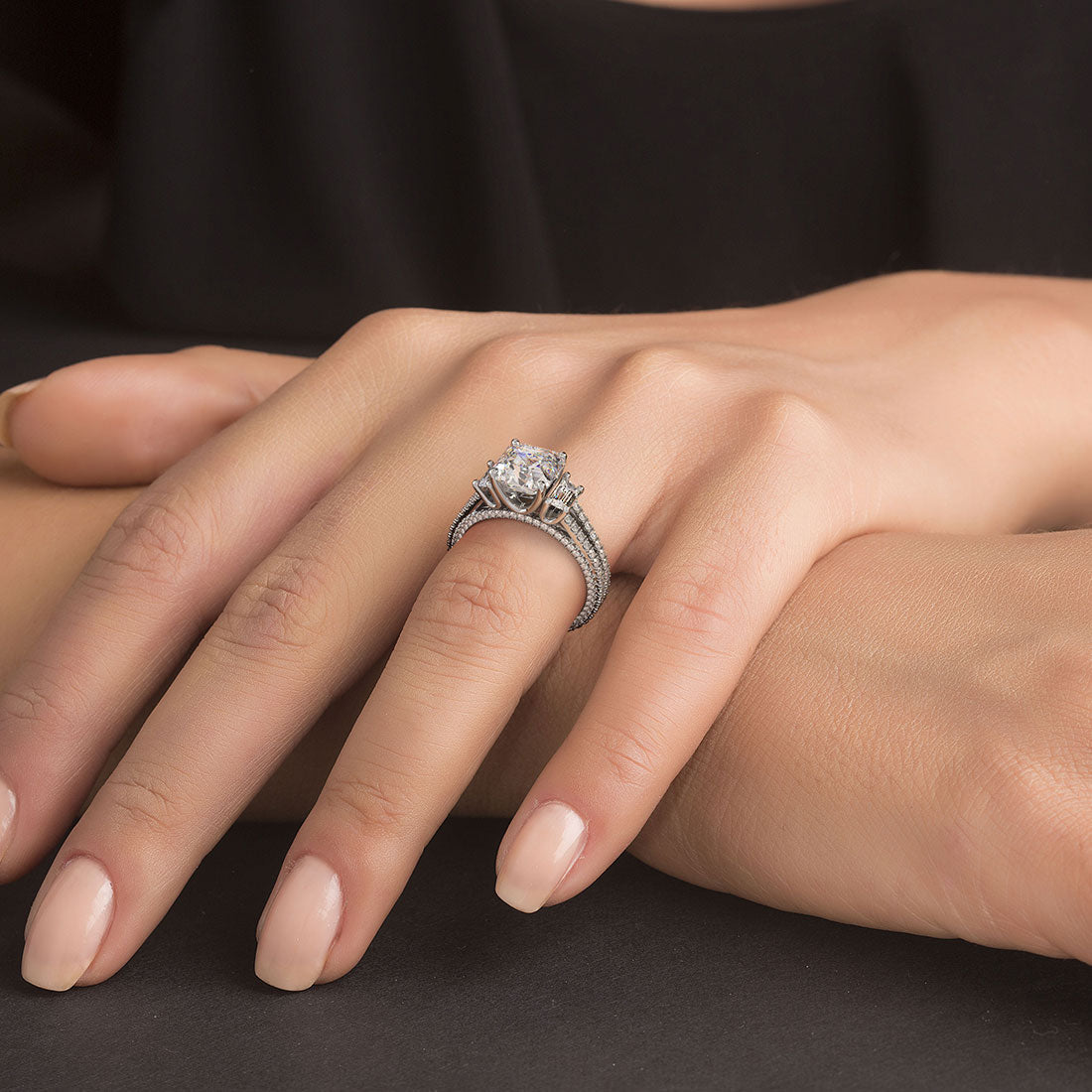
Diamonds have long been symbols of luxury, love, and timeless beauty. Yet, in recent years, the jewelry world has witnessed a significant shift with the rise of lab diamonds. These diamonds, created in controlled environments rather than mined from the earth, offer an intriguing alternative to traditional, naturally formed gems. As buyers become more conscious of sustainability, cost, and ethics, understanding the differences between lab-grown and natural diamonds has become essential.
Table of Contents
What Are Lab Diamonds?
Lab-grown diamonds are chemically, physically, and optically identical to natural diamonds. They are produced using advanced technological processes that replicate the conditions under which diamonds form deep within the Earth. The two primary methods for creating these diamonds are High Pressure High Temperature (HPHT) and Chemical Vapor Deposition (CVD). HPHT mimics the intense pressure and heat found thousands of feet below the Earth’s surface, while CVD involves growing diamonds from a carbon-rich gas in a vacuum chamber.
Despite being man-made, lab-grown diamonds vs real share the same hardness, brilliance, and fire as natural stones. They can also be graded using the same criteria — the 4 Cs: cut, color, clarity, and carat weight. For consumers, this means that a lab-grown diamond can be virtually indistinguishable from a mined diamond to the naked eye.
Comparing Cost and Value
One of the most noticeable differences between lab-grown diamonds and natural diamonds is cost. Because lab diamonds bypass the extensive mining process and associated logistics, they are generally 20% to 40% cheaper than comparable natural diamonds. This price difference makes them an attractive option for couples seeking a larger or higher-quality stone without exceeding their budget.
However, when it comes to long-term value, natural diamonds have traditionally held their worth better than lab-grown counterparts. While lab diamonds can be resold, the resale market is still developing, and prices often do not match those of natural stones. This is an important consideration for buyers who view their diamond purchase as an investment.
Ethical and Environmental Considerations
A growing number of consumers are choosing lab diamonds for ethical reasons. Traditional diamond mining can be associated with human rights abuses, including exploitative labor practices and conflict diamonds. Additionally, mining has a substantial environmental footprint, including land disruption, water pollution, and energy consumption.
Lab-grown diamonds, by contrast, offer a more sustainable option. Their production requires significantly less water and energy compared to mining, and they do not contribute to environmental degradation or conflict financing. For individuals who prioritize sustainability and ethical sourcing, lab diamonds provide a guilt-free alternative without compromising beauty or quality.
Visual and Physical Similarities
Many people wonder whether lab diamonds differ visually from natural diamonds. In reality, the differences are virtually undetectable without specialized equipment. Both types exhibit the same sparkle, fire, and transparency. Even professional jewelers often rely on microscopic analysis or spectroscopy to identify a diamond’s origin.
Interestingly, lab diamonds offer one potential advantage: customization. Since they are created in a controlled environment, producers can fine-tune color, clarity, and size, providing consumers with greater options. For example, a buyer can obtain a rare fancy-colored diamond without paying the exorbitant price often associated with natural colored diamonds.
Longevity and Durability
Another factor to consider is durability. Diamonds, whether lab-grown or natural, are the hardest known natural material, scoring a 10 on the Mohs scale. This means they resist scratching and can last for generations when properly cared for. In terms of daily wear and longevity, lab diamonds perform just as well as mined stones, making them ideal for engagement rings, earrings, and other jewelry pieces that see regular use.
Consumer Perception and Market Trends
The popularity of lab diamonds has grown rapidly in recent years, fueled by advances in technology and changing consumer values. Millennials and Gen Z buyers, in particular, are drawn to the transparency, ethical sourcing, and affordability of lab-grown gems. Some critics argue that natural diamonds will always carry an emotional or prestige value that lab diamonds cannot fully replicate. Nevertheless, the stigma once associated with man-made diamonds has largely faded, and high-quality lab diamonds are now widely accepted in the jewelry market.
Major retailers, including online platforms and traditional jewelry stores, are increasingly featuring lab diamonds alongside natural stones. This growing visibility reflects both consumer demand and the broader cultural shift toward sustainable and ethical luxury goods.
Making the Choice: Lab Diamonds or Natural Diamonds?
Ultimately, the choice between lab-grown and natural diamonds comes down to personal priorities. If budget, sustainability, and ethical sourcing are top considerations, lab diamonds offer a compelling alternative. They allow buyers to enjoy the same sparkle, durability, and quality as natural diamonds while avoiding many of the negative aspects associated with mining.
On the other hand, if investment potential, rarity, and traditional sentiment are more important, a natural diamond may be the preferred choice. Both options have merits, and understanding their differences helps buyers make an informed decision that aligns with their values and lifestyle.
Conclusion
The diamond industry is evolving, and lab diamonds are at the forefront of this transformation. Offering ethical sourcing, environmental benefits, and cost savings without sacrificing quality or beauty, they present a viable alternative to mined stones. While natural diamonds continue to hold cultural and emotional significance, lab-grown diamonds are carving out a respected place in the world of fine jewelry. For modern consumers, the conversation is no longer about “real” versus “fake,” but rather about choosing a diamond that reflects personal values and taste.
Whether you select a traditional mined diamond or a carefully crafted lab-grown gem, both represent timeless elegance — but lab diamonds offer a fresh perspective on what it means to shine responsibly.