
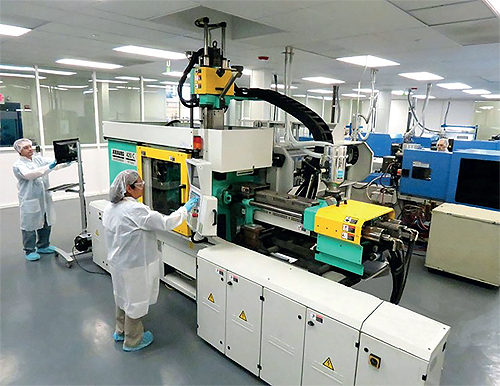
You know, when most people think of manufacturing, their minds jump straight to loud, chaotic factories with workers shouting over machines. Honestly, that couldn’t be further from the reality of a modern plastic mold factory. I had the chance to peek behind the scenes recently, and what I found was surprisingly… methodical, almost artful.
Plastic molding isn’t just pressing molten plastic into shapes. It’s a careful blend of engineering, creativity, and precision. And as I learned, the people running these operations are as meticulous as any artist, except their canvas is industrial-grade polymer.
Table of Contents
The Heart of the Factory: Precision Engineering
If you picture a plastic mold factory, the first thing that comes to mind might be rows of identical parts rolling off conveyor belts. But what really struck me was the attention to detail. Every mold, every cavity, every curve has to be designed to exact specifications. Even the tiniest error can ruin thousands of pieces—or worse, a client’s entire project.
I was surprised to learn that designing a single mold often involves months of planning. Engineers use advanced CAD software to simulate how the plastic will flow, cool, and shrink. It’s almost like baking: you have to get the temperature, timing, and ingredients just right. Only here, a single misstep doesn’t ruin a cake—it can cost thousands of dollars.
And then there’s the maintenance. Machines in these factories are massive, high-precision instruments. Technicians constantly monitor temperature, pressure, and cycle time. One small fluctuation could mean the difference between a perfect component and one that’s warped or uneven.
Materials Matter: Beyond Plastic
You might think, “It’s all just plastic, right?” Not exactly. A good plastic mold factory works with a variety of resins—ABS, polypropylene, polycarbonate, and more—each with its own characteristics. Some plastics are brittle; others are flexible. Some handle heat better; others resist UV damage. Choosing the right material is as important as designing the mold itself.
I remember chatting with a production manager who likened it to picking the right fabric for a dress. “You wouldn’t use silk for winter coats, would you?” she said. Similarly, the wrong plastic choice can make a product fail in everyday use. It’s a balance of science and practical experience.
Sustainability: A Growing Priority
Here’s something that really caught me off guard: modern plastic mold factories are increasingly eco-conscious. Many are recycling scrap material, optimizing energy usage, and even experimenting with biodegradable resins. It’s a far cry from the old image of wasteful, smoky factories.
One plant I visited had a system where excess plastic from one batch could be melted down and reused in another. It doesn’t just save money—it’s a small but meaningful step toward reducing industrial waste. Honestly, seeing an industry often criticized for pollution take responsibility was refreshing.
The People Behind the Machines
It’s easy to forget that behind every perfectly molded plastic part, there’s a team of highly skilled humans. Engineers, technicians, quality inspectors—they all play crucial roles. One thing I noticed is how much pride they take in their work. Unlike automated assembly lines you might imagine in a sci-fi movie, these people are constantly solving problems, tweaking molds, and ensuring perfection.
There’s also a storytelling element here. Each client’s project has its own challenges and goals. I watched a technician smile as he explained how they had to redesign a mold multiple times to meet a specific client’s ergonomic requirements. That’s the kind of dedication that turns a functional component into something elegant and reliable.
Why Choosing the Right Plastic Mold Factory Matters
If you’re a business owner or designer, picking the right plastic mold factory can make or break your project. It’s not just about cost or speed; it’s about expertise, flexibility, and the ability to troubleshoot problems before they become disasters. I’ve seen startups struggle when they cut corners on this step—and I’ve seen others thrive when they invested in a factory that really understands the craft.
A good factory will guide you through material selection, mold design, prototyping, and production. They’ll anticipate challenges and even suggest improvements you hadn’t considered. It’s the difference between a product that’s “just okay” and one that genuinely wows your customers.
Tips for Collaborating Successfully
From my experience, working with a plastic mold factory isn’t just handing over a design and hoping for the best. Communication is key. Here are a few things I picked up:
- Be clear on your specs – Dimensions, tolerances, material preferences—all of it matters.
- Ask about prototypes – Testing a small batch before full production can save headaches.
- Stay flexible – Even small tweaks in the mold or material can improve results significantly.
- Respect timelines – Good factories often juggle multiple projects; realistic schedules help everyone.
Honestly, approaching the partnership as a collaboration rather than a transaction changes the outcome dramatically. You’re not just outsourcing; you’re co-creating.
A Reflection on the Craft
Visiting a plastic mold factory left me with a deeper appreciation for something I had previously taken for granted. Those plastic components tucked into everyday products—car dashboards, kitchen gadgets, medical devices—represent hours of meticulous planning, skilled labor, and iterative problem-solving. It’s a reminder that even in our mass-produced world, human craft still matters.
I also left thinking about sustainability and responsibility. Factories like the ones I visited show that industry can evolve, that precision and care don’t have to come at the planet’s expense.