
Table of Contents
Metal Cutting In Today’s World
In today’s rapidly evolving manufacturing landscape, metal cutting stands as a pivotal process that fuels industries ranging from aerospace and automotive to architecture and electronics. The ability to cut, shape, and refine metal materials precisely drives efficiency, enables complex designs, and supports both high-volume production and custom craftsmanship. The complexity of consumer products, infrastructure upgrades, and emerging technologies all demand that metal cutting processes keep pace with new challenges and tighter tolerances. As illustrated by resources like https://bluegrassbit.com/services-we-offer/metal-cutting/, the expectations for quality and adaptability in metal cutting have never been higher. Reliable, advanced cutting processes are now crucial not just for the fabrication of everyday components but for groundbreaking innovations in nearly every industry.
Looking back a few decades, manual cutting methods, such as handheld saws and torches, were the standard. While these techniques required finesse and patience, they often resulted in variations and imperfections. The arrival of computerized and automated cutting has revolutionized the industry, making processes faster, more accurate, and far more versatile. The modern shop floor features a mix of skilled human operators and sophisticated machinery working side by side. This synergy unlocks opportunities to produce intricate parts with repeatable high quality, cementing metal cutting’s place as a backbone process. Different industries may employ varied methods, but all aim for one outcome—a perfect cut that meets the job’s purpose, time constraints, and budget.
Popular Metal Cutting Methods
The universe of metal cutting is diverse, with each method engineered to solve specific challenges and handle different types of metals. Here are the most commonly used methods today:
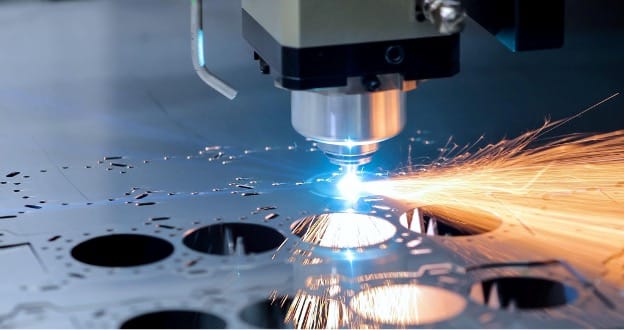
- Laser Cutting:Laser cutting machines utilize powerful, focused beams of light to rapidly and accurately melt or vaporize metal. Known for their pinpoint precision, they excel at creating intricate geometric patterns or cutting through thin sheet metals without significant heat distortion. Manufacturers who require smooth, clean edges and minimal post-processing often rely on lasers for both prototyping and high-volume production.
- Plasma Cutting:This technique utilizes a superheated, electrically charged gas (plasma) to efficiently slice through thick or conductive metals, such as steel and aluminum. Plasma cutters can move rapidly across heavy-duty materials, making them a popular choice for structural steel fabrication, construction, and the repair of heavy equipment. Their speed and adaptability to various thicknesses offer clear advantages for many industrial applications.
- Waterjet Cutting:Waterjet systems blast a thin stream of water intensified with abrasive materials at extremely high pressures. This “cold cutting” process eliminates heat-related warping and is the go-to for handling heat-sensitive metals or requiring meticulous finishes. According to HowStuffWorks, this method is effective because it uses a high-velocity stream to erode material without generating heat, making it ideal for applications where precision and material integrity are paramount. Waterjets can cut thicker materials that lasers can’t and can even handle combined materials, from titanium to composites, all without introducing stress points.
- Mechanical Cutting:Traditional methods such as sawing, shearing, and drilling remain workhorses on the shop floor. They’re reliable for straightforward cuts, small batches, or when advanced technology isn’t justified by project volume. Mechanical cutting offers flexibility and accessibility, though it may leave rougher edges that require further finishing.
Because advancements happen rapidly, staying updated is critical. Recent years have brought improvements in energy efficiency, material versatility, and automated control, enabling tighter tolerances and greater throughput than ever before. These innovations enable manufacturers to meet demanding project specifications and adhere to tighter deadlines.
How To Choose The Right Cutting Technique
With multiple cutting methods available, selecting the right one has a significant impact not only on product quality but also on production costs and lead times. Here are some key considerations to help make the best choice:
- Material and Thickness:Metals differ in hardness, conductivity, and response to heat. For instance, stainless steel and titanium may require different processes than mild steel or aluminum. While lasers excel with thin, reflective materials, thicker and tougher metals are often better suited for plasma or abrasive waterjet cutting.
- Edge Quality:The appearance and finish on cut edges can dramatically affect part assembly and visual appeal. Laser and waterjet cutters are preferred when edge smoothness is most critical—think of applications such as electronics housings, precision machine parts, or decorative elements.
- Production Volume:High-volume or repeat jobs often justify the investment in CNC-driven laser or plasma cutters, as these machines can be programmed for fast and consistent operation. For small-scale or prototype work, hand tools or mechanical cutters may be more economical.
- Cost and Turnaround Time:Advanced technologies can speed up production but may require specialized operators or programming, which adds upfront costs. Simpler jobs might be completed more quickly and affordably with mechanical tools, especially when tolerances are forgiving.
In practice, you’ll often see a combination of methods within a single workshop, with rough cuts completed on heavy machinery and fine finishing handled by precision tools. Project managers often consult with skilled techs or engineers to weigh tradeoffs and ensure goals are met, balancing budget, quality, and delivery.
Safety Considerations In Metal Cutting
Safety in metal cutting processes is crucial. Hazards such as sharp edges, flying debris, high temperatures, and powerful machinery are inherent to the territory, but many injuries are preventable. Adhering to robust safety protocols protects not only workers but also production continuity.
- PPE Is Essential: Safety in metal cutting processes is crucial. Hazards such as sharp edges, flying debris, high temperatures, and powerful machinery are inherent to the territory, but many injuries are preventable. According to OSHA, following proper guidelines for personal protective equipment is essential for minimizing risks and ensuring worker safety, ultimately supporting production continuity.
- Ventilation:Processes like plasma and laser cutting generate fumes and particulate matter that need to be extracted to maintain a healthy environment, especially in enclosed spaces.
- Tool Maintenance:Keeping machines clean and sharp ensures optimal performance and prevents unexpected breakdowns that might otherwise trigger hazardous situations.
- Training and Supervision:All staff members should receive regular training on the safe use of equipment, accident response procedures, and emergency shutdown protocols. Well-established communication and signage on the shop floor minimize misunderstandings and injuries.
Current Trends Shaping The Industry
The metal cutting industry is rapidly evolving through digitization and eco-conscious practices. Notably, automation reshapes repetitive or high-risk jobs, resulting in improved outcomes and reduced injuries. Today, many operations utilize robots to handle intense plasma or laser cutting tasks, thereby boosting throughput without compromising quality.
- Automation & Robotics:Machines equipped with sensors can self-adjust and continuously operate without fatigue, while human workers focus on supervision, quality control, and creative tasks.
- Smart Monitoring:New systems can alert technicians when tools are worn or processes stray from set parameters, vastly reducing material waste and costly scrapped parts.
- Digitalization:CAD (Computer-Aided Design) and digital twins enable engineers to simulate cuts and plan workflows digitally, identifying potential bottlenecks before metal ever meets the blade.
- Customization:As customers demand one-of-a-kind components or low-volume specialty runs, flexible CNC machines and modular cutting heads enable shops to pivot from one project to the next quickly.
Recent insights from news on metal fabrication automation highlight that automated systems and real-time data collection are increasing productivity worldwide. Combining human ingenuity with machine precision turns challenges into opportunities on the shop floor.
Sustainability And Green Manufacturing
As industries respond to environmental concerns, sustainability in metal cutting is surging in importance. Modern fabrication shops frequently recycle nearly all the scrap metal they produce, contributing to the circular economy and reducing waste disposal costs. Waterjet systems, known for “cold cutting,” are valued for producing minimal heat and emissions, protecting both the metal itself and the working environment.
Energy-efficient equipment, careful scheduling to minimize power use, and advanced filtration for water and air all help manufacturers comply with environmental regulations. Third-party certifications and best-practice guidelines further encourage fabrication companies to adopt practices benefiting both the bottom line and the planet. It’s increasingly clear that being green isn’t just good—it’s becoming an industry standard.
Conclusion
Metal cutting has evolved into a dynamic, high-tech cornerstone of modern manufacturing. From manual tools to advanced laser and waterjet systems, the industry now balances precision, speed, and sustainability to meet the demands of a fast-paced, increasingly customized global market. As innovation continues to shape how we cut, shape, and refine metals, it is clear that the future of fabrication lies in smart integration where safety, efficiency, and environmental responsibility go hand in hand with cutting-edge performance.