
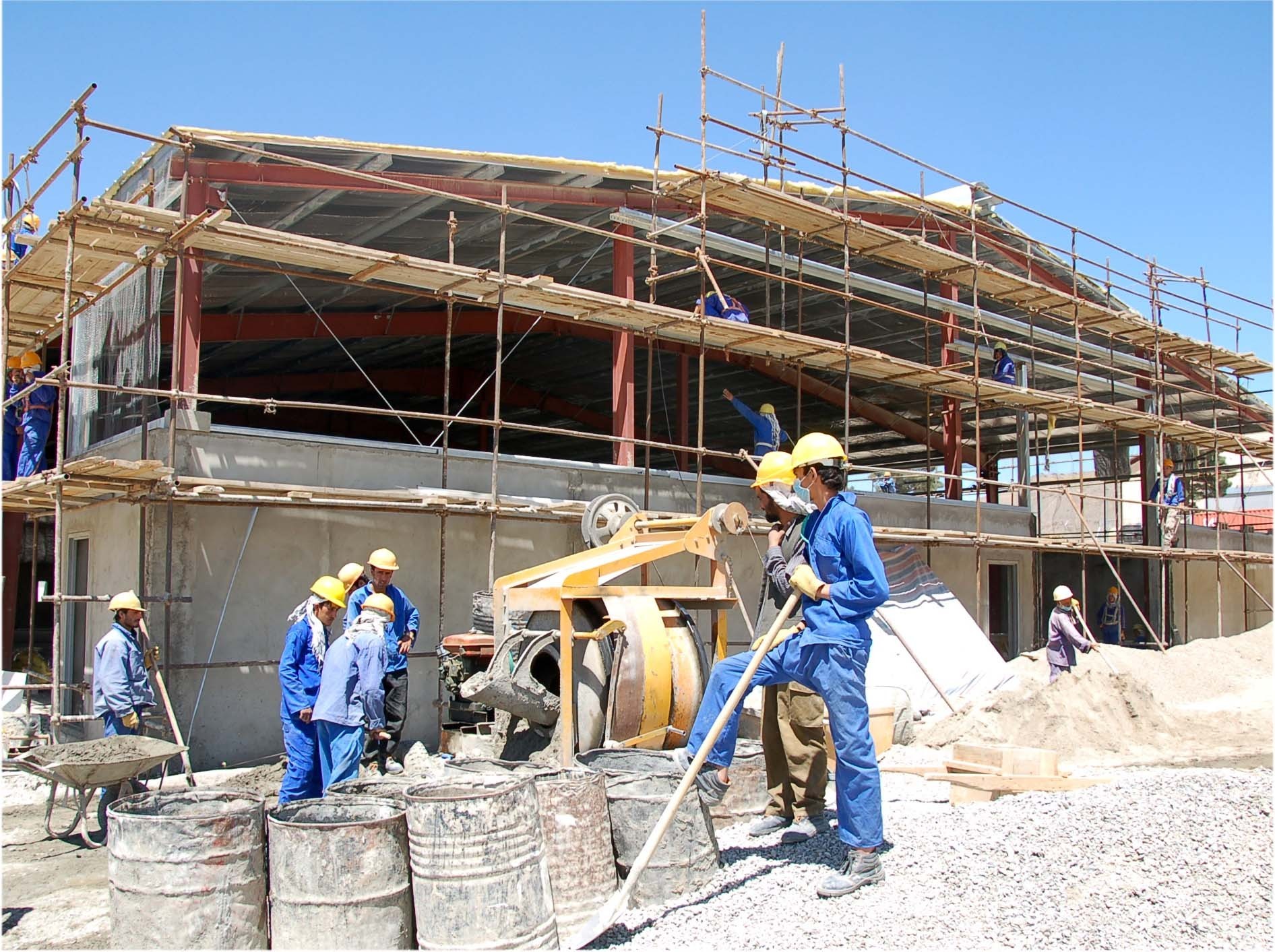
Government construction projects are complex puzzles, with each piece needing to align perfectly for success. At the heart of that precision is risk mitigation—done not reactively, but proactively. From compliance protocols to budget control, Nav Int uses structured strategies to make sure each project stays on track, no matter the country or conditions.
Table of Contents
Implementation of Anti-trafficking Compliance Protocols for All U.S. Government Contracts
In the world of global construction, ethical practices aren’t just a checkbox—they’re a mandate. Nav Int integrates anti-trafficking compliance into every phase of its U.S. government construction projects. This means enforcing strict labor monitoring, ensuring every subcontractor and labor source aligns with the Federal Acquisition Regulation (FAR) Clause 52.222-50. Training programs are implemented on-site, so every team member—from local hires to foreign vendors—understands what qualifies as forced labor and how to report it.
The company uses documented policies that are built into contracts, backed by third-party audits, and reinforced by on-the-ground compliance officers. This not only protects vulnerable populations but also safeguards contracts from future violations or legal interruptions. In the context of international construction company operations, particularly in high-risk labor regions, these proactive steps set a benchmark that aligns with both U.S. government standards and broader global human rights expectations.
Thorough Due Diligence in Subcontractor Vetting to Meet Federal Labor and Contract Standards
Before any partner or subcontractor joins a government construction project, they undergo rigorous screening. Nav Int prioritizes deep due diligence to verify that vendors meet federal labor rules, understand government contract terms, and have a proven track record in compliant project delivery. This vetting process is not just about checking a few boxes—it includes financial background checks, references from past government work, and labor force audits.
This scrutiny limits risks tied to performance failures, labor violations, or cost inflation due to underqualified subcontractors. For a global construction project operating in unfamiliar regulatory environments, trust in subcontractors is a critical pillar. By taking extra steps before awarding contracts, Navigator International ensures accountability across every layer of construction—protecting quality, budget, and reputation.
Incorporation of Robust Change-order Controls to Limit Budget Overruns and Scope Creep
Scope creep is a silent budget killer. To fight it, Nav Int applies strict change-order controls on all international and government construction sites. These controls require that every project modification goes through structured authorization, impact evaluation, and documentation. Requests are reviewed by financial and engineering leads before moving forward, ensuring that any deviation from original plans is fully justified and accounted for.
This level of transparency protects against hidden costs and keeps stakeholders aligned, even in the face of shifting priorities or unforeseen field conditions. In international construction environments, especially in conflict zones or disaster recovery areas, change is expected. Nav Int handles it with control, not chaos, making projects more predictable and financially sustainable.
Rigorous Alignment with Local Building Codes and Regulatory Frameworks Before Breaking Ground
Before a single shovel hits the dirt, compliance with local laws is mapped and locked in. Whether constructing facilities in Europe, Asia, or the Middle East, Nav Int works closely with local regulatory bodies to secure all permits and ensure engineering plans comply with building codes. This proactive engagement prevents costly delays, fines, or forced rework after construction begins.
For a global construction company, this means building strong local relationships and employing regional experts who know the regulatory terrain. This not only reduces legal risk but also promotes goodwill within local governments and communities. It’s the foundation for lawful, smooth construction that respects national standards while upholding international quality.
Deployment of Contingency Budgeting to Absorb Unforeseen Logistical or Environmental Shifts
Global projects often deal with unpredictable elements—weather disruptions, shipping bottlenecks, or local strikes. Nav Int protects its timelines and bottom lines through structured contingency budgeting. Each project includes an allocated reserve designed to absorb these shocks without compromising the schedule or core funding.
Rather than reacting with panic or delay, Nav Int has pre-approved funds that allow work to continue even during uncertainty. It’s not just a safety net—it’s a proactive cushion that reduces stress across teams and stakeholders. In government construction, where funding oversight is tight and timelines critical, this foresight is both smart and essential.
Strategic Stakeholder Engagement and Coordination to Preempt Political or Community Disputes
In politically sensitive regions, construction projects can trigger public concern or community resistance. Nav Int heads off these risks with early and continuous stakeholder engagement. This includes government liaisons, community leaders, and local labor organizations—all brought into planning discussions to address potential friction points.
Public transparency and collaborative decision-making lower the risk of protests, shutdowns, or political pressure derailing the project. By treating the community as a partner—not an obstacle—Nav Int builds goodwill and smoother execution paths, which is a powerful advantage in the field of international construction.
Integration of Supply-chain Resilience Planning to Reduce Material Delays and Dependency Risks
Material delays are one of the most common threats in global construction. Nav Int addresses this by designing resilient supply chains that rely on multiple sourcing options. Rather than depending on a single vendor or region, procurement teams work across continents to ensure backup suppliers are ready when primary ones fail.
This strategy helps minimize downtime caused by global shipping disruptions, regional conflicts, or material shortages. With supply chain stability baked into the planning, government construction projects stay on pace and avoid the ripple effects of dependency. For an international construction company, it’s the difference between finishing strong and stalling out.