


Key Takeaways:
- Precision metal cutting underpins innovation and quality in various industries, from aerospace to electronics.
- Technological advancements have enabled close tolerances and reduced waste, transforming what’s possible in design and fabrication.
- Choosing the right cutting approach significantly impacts efficiency, sustainability, and cost in today’s production environments.
- Resources are available to help manufacturers stay updated on the latest trends and breakthroughs in metal cutting technology.
Table of Contents
The Foundation of Modern Manufacturing
The drive for high-performance products and customized solutions in modern manufacturing hinges on the ability to cut metal components to exacting standards. As designs become more intricate and end-use requirements grow stricter, the need for extreme accuracy in cutting operations has never been more apparent. The precision metal cutting services market is experiencing notable growth as companies recognize precision isn’t just a technical detail—it’s a business advantage. Components cut to tight tolerances lead to less waste, simplified assembly, and fewer downstream issues.
As a result, industries are increasingly looking for suppliers and partners who can guarantee accuracy with every batch. Precision cutting supports diverse products, from medical implants that demand flawless finishes to automotive parts where even minor deviations can impact safety and performance.
How Traditional Methods Still Play a Role
Despite groundbreaking advancements, legacy techniques such as sawing, shearing, and drilling remain significant in metalworking shops. These tried-and-true methods are often selected for projects where part geometry is simple or speed is more important than ultra-fine tolerance. For instance, bandsaws provide quick and economical cutting for structural elements, while mechanical shears excel in preparing sheet metal for further processing. Many manufacturers leverage a blend of traditional methods with modern innovations, maximizing efficiency for jobs both simple and complex.
Advances in Technology Drive Efficiency
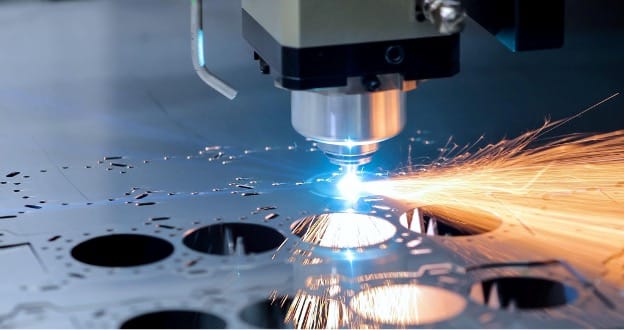
Automated and high-precision cutting has grown significantly during the past ten years. Fiber lasers, waterjets, and plasma systems have emerged, dramatically transforming industrial workflows. As highlighted in emerging industry technology articles, these processes enable intricate designs and minimize waste and secondary finishing. By linking digital blueprints directly to the shop floor, manufacturers can transition quickly from design to finished part with impressive repeatability.
Laser cutting, for example, offers razor-sharp accuracy and allows for tight nestings of complex profiles, making the most of valuable raw material. Waterjet systems are also being adopted for cutting materials that are heat-sensitive or extremely hard.
Meeting the Demands of Precision and Consistency
Whether manufacturing turbine blades or surgical tools, precision isn’t just desirable—it’s necessary. High-quality, tightly controlled cutting processes keep assembly lines moving smoothly by ensuring components always fit and function as intended. Automated feedback systems and sophisticated controls ensure each cut meets required standards, even across mass production. Attention to detail at this stage translates into higher-quality final products, fewer rejections, and enhanced customer trust.
Sustainability and Optimization in Metal Cutting
Efficiency and sustainability are now inseparable priorities for manufacturers worldwide. By optimizing cutting paths, using energy-efficient equipment, and cutting materials on demand, companies cut costs and carbon emissions. According to manufacturing breakthroughs covered by global publications, many firms are implementing closed-loop water and cooling systems, reducing not only waste but also the overhead related to waste disposal and regulatory compliance.
These innovations are especially vital for businesses seeking to maintain environmental certifications or improve their reputation as sustainable market leaders.
Selecting an Appropriate Cutting Process
The project’s unique needs dictate the choice between conventional and advanced cutting technologies. Decision-makers must factor in material thickness, desired edge finish, required throughput, and cost-effectiveness. Mechanical shearing or sawing may be ideal for long production runs of simple shapes. Laser, plasma, or waterjet cutting is often the better choice for intricate geometries or special material considerations. A pragmatic evaluation of goals, volume, and precision requirements ultimately ensures the most value from every manufacturing run.
Industries Benefiting from Precision Cutting
The influence of precision metal cutting is seen in nearly every sector. Aerospace relies on tight tolerances for safety-critical systems, and consumer electronics benefit from miniaturized, flawlessly repeatable metal parts. Architects and designers are also leveraging these advances, carving out remarkable shapes from steel panels or aluminum facades. The ability to deliver such intricate, high-spec components cements precision cutting as an essential tool in the toolkit of modern manufacturing leaders worldwide.